Reliable Radiation Monitoring for Military, Mobile, and Civilian Applications
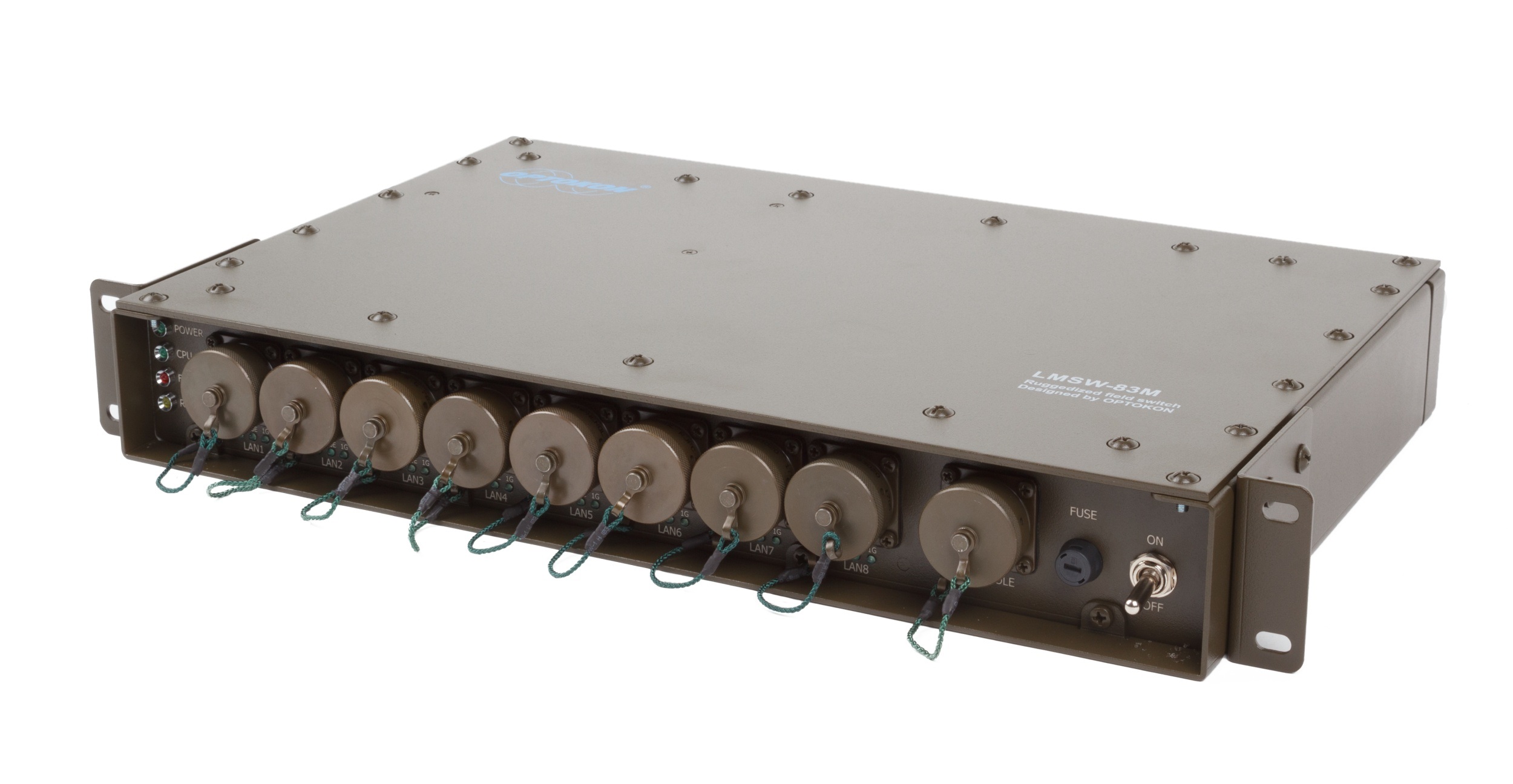
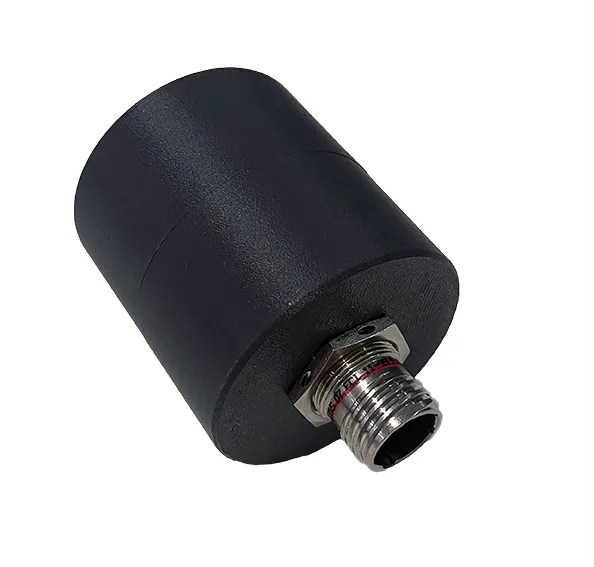
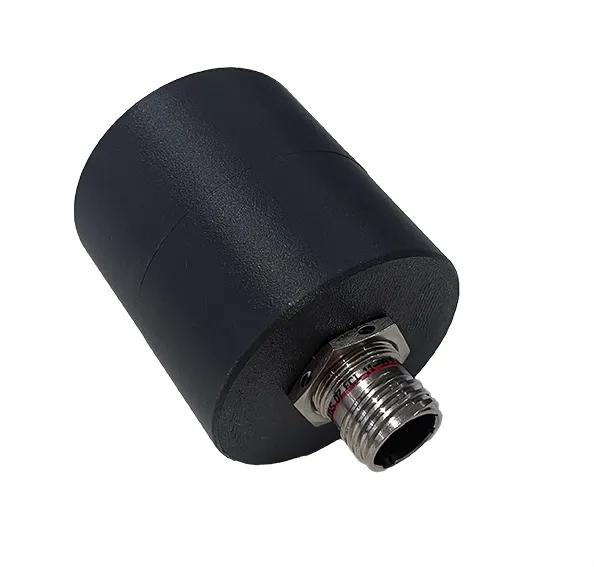
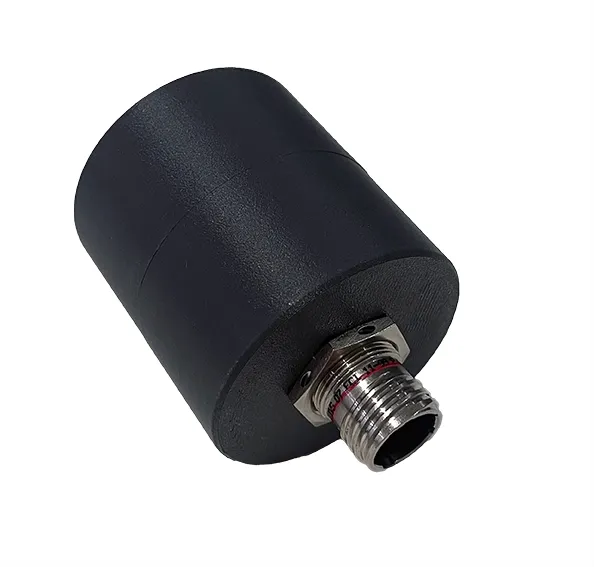
OPTOKON LMRS-1A and LMRS-TD are highly reliable nuclear and ionizing radiation sensors designed for detecting, measuring, and monitoring radiation levels in real time.
They are key components of the Nuclear Radiation System LMRG-8 but can also operate as standalone devices integrated into other computer or communication platforms.
Thanks to their rugged design, the sensors can be installed inside or outside vehicles, as well as on aviation platforms, UAVs, drones, or stationary stations.

Main Specifications
Parameter | LMRS-1A | LMRS-TD |
Sensor Type | Radiation detector (gamma, beta) | Radiation detector with thermodosimetric module |
Purpose | Monitoring current radiation levels | Dosimetric measurement + monitoring |
NATO Supplier Code | 1583G | 1583G |
Key Features
- Wide measurement range—from background to critical radiation levels
- High sensitivity and accuracy thanks to digital signal processing
- Support for multiple interfaces (Ethernet, RS-485, CAN) for easy integration
- Durable dust- and moisture-proof housing suitable for extreme conditions
- Suitable for installation on vehicles, drones, or stationary platforms
- Compatible with the LMRG-8 system or other OPTOKON monitoring systems
- Resistant to vibrations, shocks, and temperature fluctuations (MIL-STD level)
- Supports local dose value logging (for LMRS-TD)
Typical Use Configuration
Scenario | Application Description |
Military Systems | Radiation background monitoring in field conditions, on vehicles, or at bases |
Civil Protection | Detection of radiation threats in cities, ports, and critical infrastructure |
Industry | Control of radiation doses in nuclear or chemical production facilities |
UAV/Drones | Aerial radiation background scanning |
Stationary Stations | Continuous monitoring of the environment or industrial areas |
FAQ — Frequently Asked Questions
1. What is the difference between LMRS-1A and LMRS-TD?
- LMRS-1A — a basic radiation detector (gamma/beta radiation)
- LMRS-TD — an enhanced version with a thermodosimeter for accumulated dose tracking.
2. Can the sensors be integrated into systems other than LMRG-8?
Yes. Both models have open communication interfaces (Ethernet, RS-485, CAN), allowing easy integration into any computer or SCADA platform.
3. Are the sensors suitable for use on drones?
Yes.
LMRS-1A and LMRS-TD feature a lightweight, rugged, and sealed design specifically engineered for aviation platforms (UAV, UGV).
4. What is the protection level of the housing?
The housing meets MIL-STD-810G standards—protection against dust, moisture, shocks, vibrations, and temperature fluctuations.
5. How are power and data transmission handled?
The sensors are powered by 10–36 V DC and can transmit data in real time via Ethernet, RS-485, or CAN bus.
6. Can the devices be used in civilian monitoring applications?
Yes. LMRS sensors are suitable for civil protection, energy, environmental monitoring, and any facilities that require continuous radiation control.
7. Are data preserved if the connection is lost?
Yes, LMRS-TD has a built-in memory buffer that stores data for later transmission.